

Major Restructuring Proposal Targets German Production Network
Volkswagen is reportedly preparing a major restructuring plan that could significantly reshape its German manufacturing footprint over the next decade. According to media reports cited by Parts & Service News, the Volkswagen board has approved a transformation concept that includes proposed production end dates for four German locations.
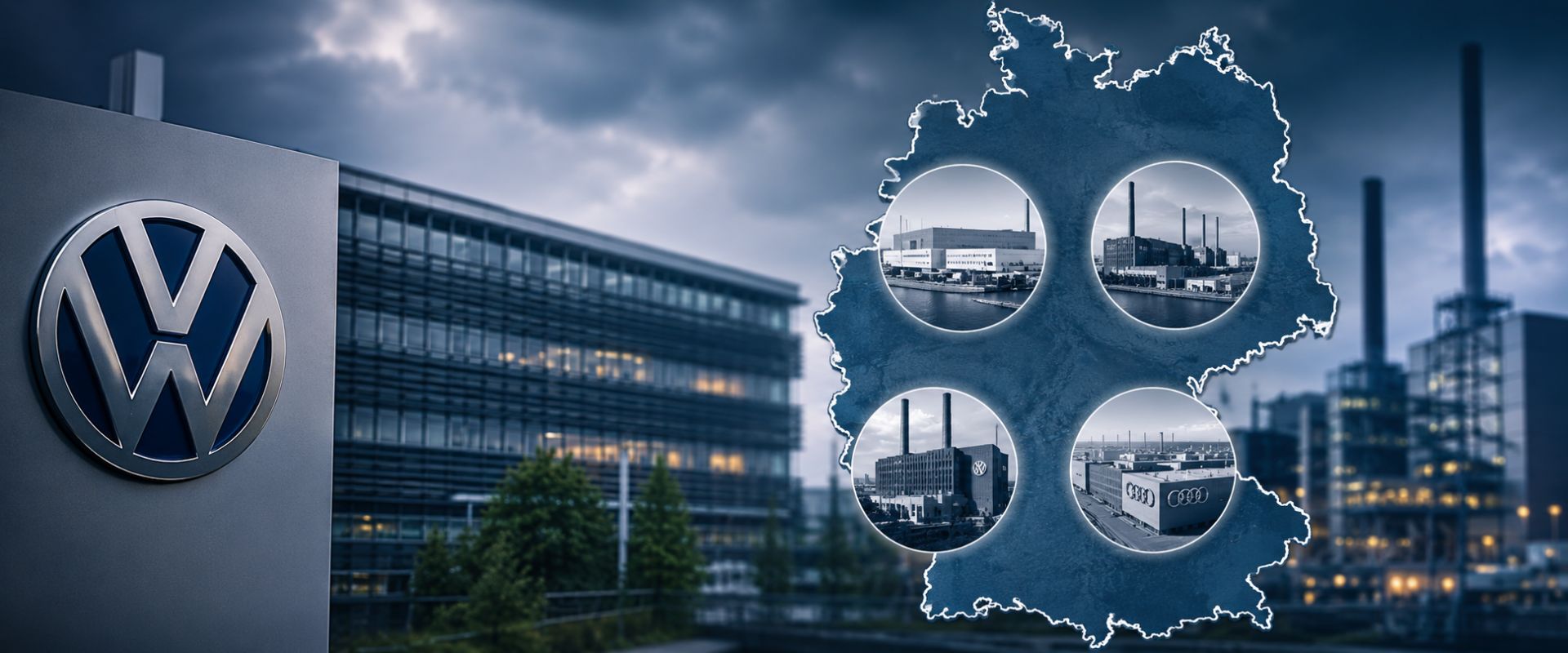
Under the reported plan, production at the Emden and Zwickau plants could end in 2031. Volkswagen Commercial Vehicles in Hanover could follow in 2032, while Audi’s Neckarsulm site could see production end in 2034. The proposal comes as Volkswagen faces mounting pressure from high production costs, weaker capacity utilisation, and intensifying competition from Chinese manufacturers.
No Final Supervisory Board Approval Yet
The reported board concept has not yet been confirmed as a final decision by Volkswagen’s supervisory board. Volkswagen has declined to comment on the internal document and has referred to ongoing discussions within the company’s responsible bodies.
The proposal is expected to face strong resistance from employee representatives, the works council, and IG Metall. While formal plant closures require supervisory board approval, management may seek to reduce activity at selected locations by limiting future model allocations.


Capacity Utilisation Drives the Debate
In 2025, Volkswagen reportedly produced 1.789 million vehicles across ten German vehicle plants, equal to around 179,000 vehicles per plant. For large-scale manufacturing, higher output per plant is usually required to support cost efficiency and justify major investment in areas such as body shops and paint shops.
Aftermarket Implications
For the independent aftermarket, Volkswagen’s restructuring plans are commercially relevant because changes in vehicle production can influence future parts demand, supplier relationships, service volumes, and long-term repair requirements. While no final decision has been announced, the proposal highlights the structural pressure facing Europe’s largest vehicle manufacturers.