


Select AG Uses AI to Strengthen Aftermarket Data Services
Smarter Data Processing for a More Complex Parts Market
Select AG is expanding its IT capabilities and increasing the use of artificial intelligence to support data-driven services for shareholders and suppliers. The purchasing cooperative is using AI to automate recurring tasks, reduce manual workload and accelerate the development of digital services.
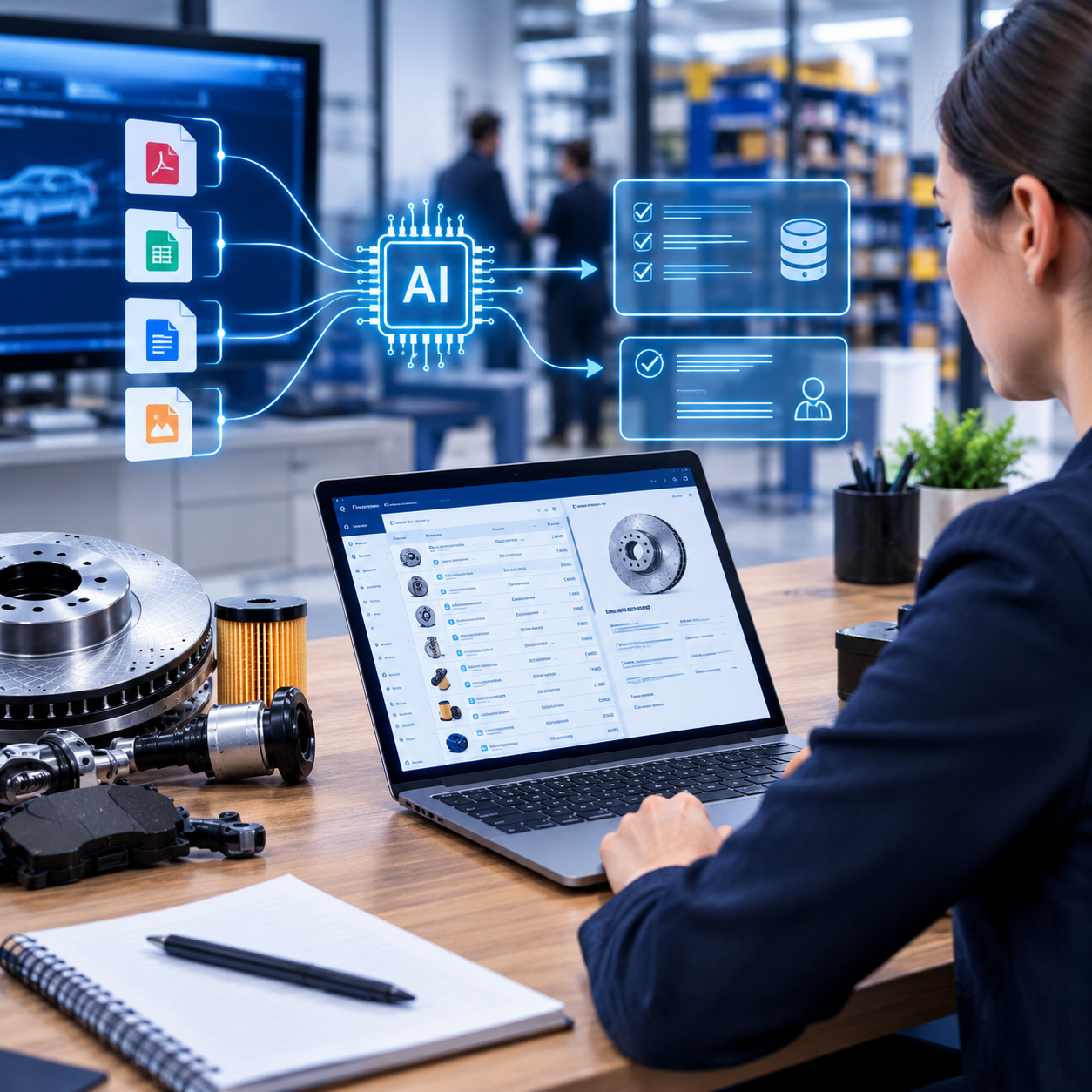
One of the first areas of application is supplier data processing. In the aftermarket, product information arrives in different formats and must be checked, cleaned and structured before it can be used reliably. Select AG plans to use AI-supported systems to assist with these repetitive data tasks, while professional validation will remain with employees.
Human Oversight Remains Central
Select AG’s approach is not to replace expert judgement, but to improve speed and consistency in complex data workflows. COO Dennis Christ stated that AI will be used where it noticeably reduces workload and improves data quality, while expert assessment remains essential.
This distinction matters in the parts business, where inaccurate data can quickly lead to wrong part identification, ordering errors and unnecessary returns. Clean data is no longer only an IT issue; it is a commercial advantage.
From Supplier Data to Pricing Intelligence
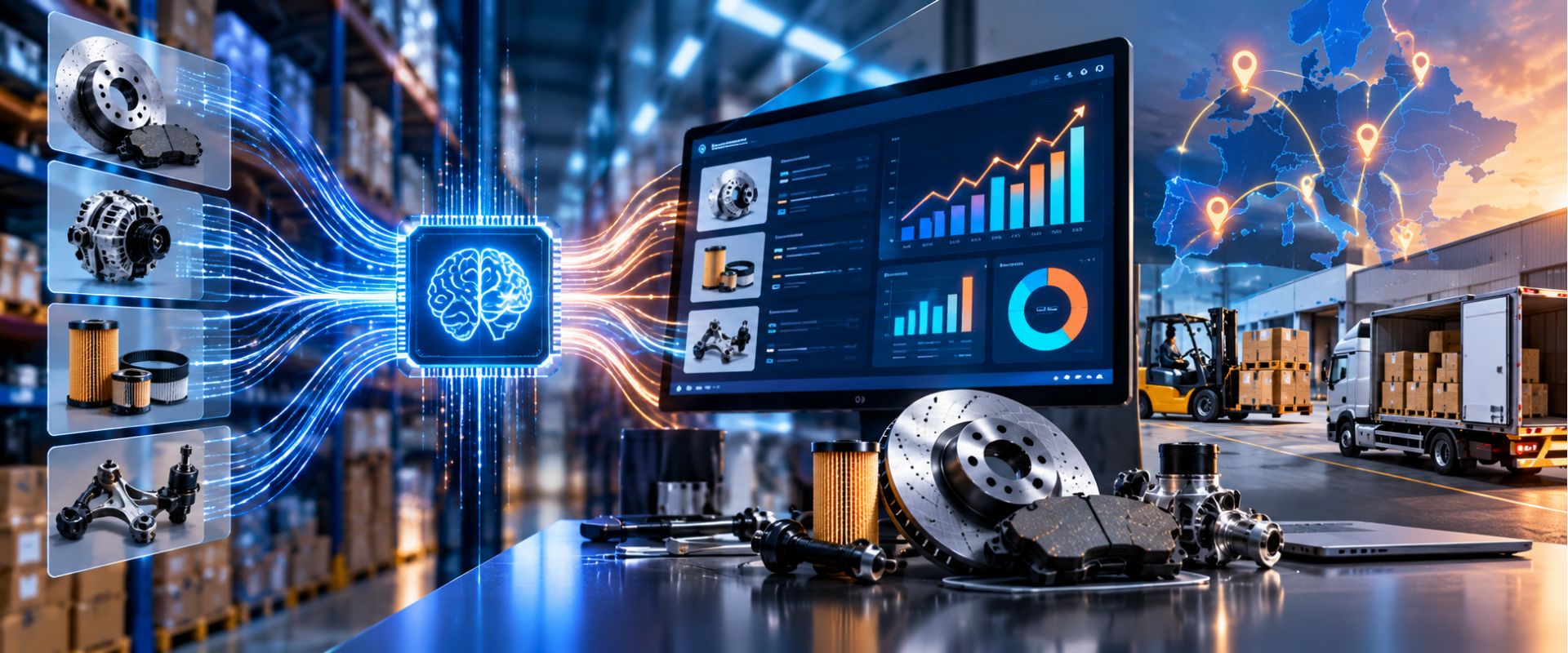
Select AG also plans to use AI for deeper analysis of inventory levels, order logic and assortment decisions. AI-supported sales price recommendations are also planned, taking into account the local requirements of shareholders.
To support these projects, Select AG is expanding its software development capacity with the addition of full-stack developer Vadim Trotno. The company says this will create additional redundancy, reduce dependencies and support further development of its core IT systems.
For the independent aftermarket, Select AG’s initiative reflects a wider shift: data quality, automation and intelligent pricing tools are becoming as important as product range and purchasing power.